


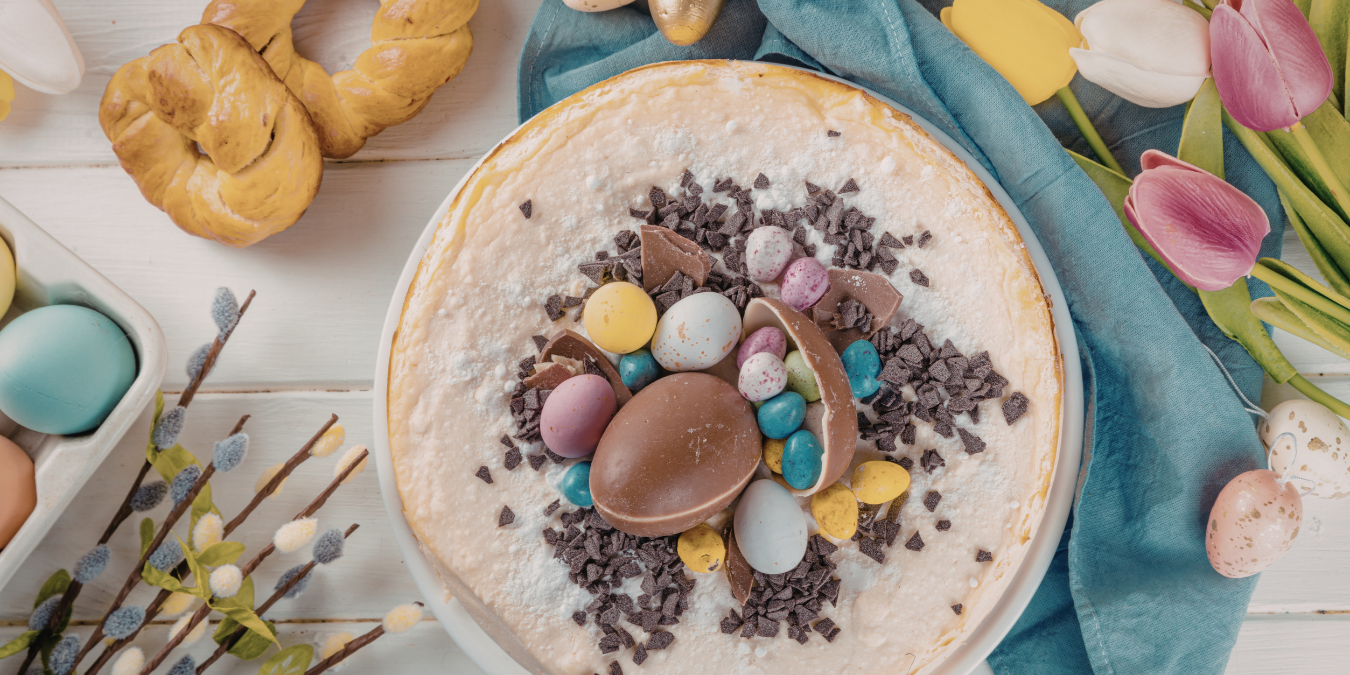
While chocolate remains strongly associated with Easter in the UK, the reality across international markets — particularly in Brazil — is far more diverse. Easter is not just about finished confectionery; it is also a period of increased demand for ingredients, traditional dishes and bakery products, creating opportunities across multiple categories.
One of the strongest connections between Brazilian and Portuguese Easter traditions is the importance of cod (bacalhau). Particularly on Good Friday, many consumers follow the custom of avoiding meat, making seafood — and especially cod — a central part of the menu. From a commercial perspective, this creates a consistent seasonal uplift in demand for cod-based dishes, whether in foodservice menus or retail-ready meal solutions.
Typical preparations include baked cod with potatoes, olive oil and vegetables, as well as richer recipes incorporating cream or eggs. These dishes offer both familiarity and authenticity, making them highly adaptable for restaurants looking to introduce seasonal specials or for retailers offering ready-to-cook solutions.
Alongside seafood, Easter in Brazil is also closely linked to home baking and sharing occasions. This is where the opportunity extends beyond finished products into ingredients. Items such as flour, chocolate, condensed milk and other baking essentials see increased demand as consumers prepare desserts and festive treats at home.
A key product associated with this period is colomba, a traditional Easter cake similar to panettone. Its soft texture and slightly sweet flavour — often enhanced with citrus or chocolate — make it a popular centrepiece for gatherings. For retail environments, it offers strong visual appeal and seasonal relevance, while for distributors it represents a product with both cultural value and commercial potential.
More broadly, Brazilian Easter consumption reflects a mix of tradition and indulgence, where seafood, bakery and sweet preparations all play a role. For wholesalers and buyers, this creates an opportunity to position a wider range of products — not just finished goods, but also the ingredients that enable consumers and businesses to create their own Easter offerings.
From a trade perspective, this approach can be particularly effective. Instead of focusing solely on end products, businesses can build seasonal ranges around meal solutions, baking categories and cross-selling opportunities, increasing basket value and encouraging repeat purchases.
For UK retailers and foodservice operators, incorporating Brazilian-inspired Easter elements can bring both diversity and relevance to the seasonal offer. Cod connects directly with European traditions, while bakery and ingredient-led products respond to growing consumer interest in home cooking and experiential food occasions.
Easter, ultimately, is about more than a single category. By looking beyond chocolate eggs and focusing on the broader food culture behind the celebration, businesses can create a more complete and commercially effective seasonal strategy.
For more on global Easter food traditions, visit: BBC Good Food!