


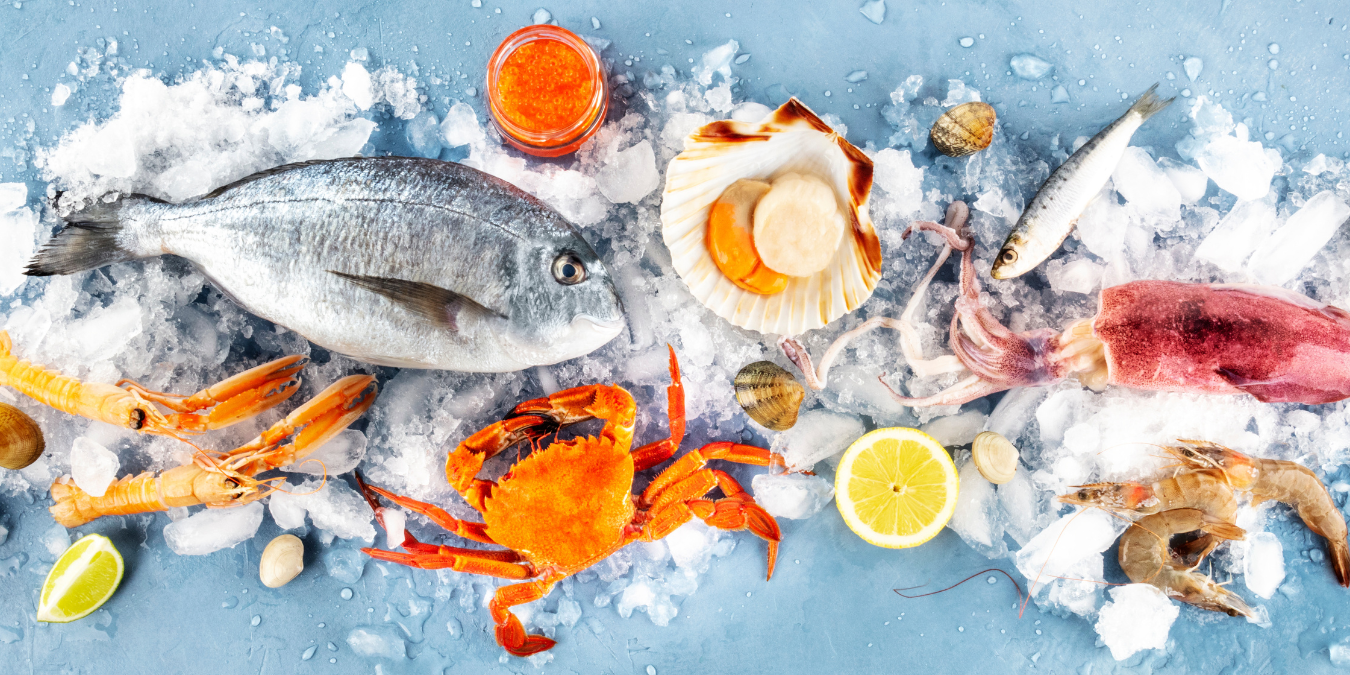
Lent is one of the most predictable and commercially significant seasonal trends for seafood demand in the UK. For 40 days leading up to Easter, many consumers — especially those observing Christian traditions — opt for meat-free meals, and fish and seafood become menu staples. In fact, seafood markets often report a clear uptick in demand for white fish and seafood during this period, particularly on Fridays.
For wholesalers, retailers and foodservice operators, Lent provides a reliable opportunity to grow sales by focusing on the right products, ready-to-use formats, and culturally resonant dishes.
Lent & Seafood: The Seasonal Pattern
Eating fish on Fridays during Lent is a long-established tradition in Christian cultures and remains strong in many communities. This translates into higher demand for versatile fish such as cod, haddock, pollock, and other mild-flavoured white fish, which are ideal for simple preparations or elevated dishes alike.
From a commercial perspective, planning for this demand ensures supply continuity and helps businesses avoid stockouts. Seafood categories to prioritise include:
Cod (especially versatile for prepared meals and portion packs)
Why Portuguese Fish & Seafood Work for Lent
Portugal’s fishing heritage offers exciting opportunities for UK food businesses. With Portugal consuming more fish per capita than most other European countries, Portuguese seafood traditions have evolved into a rich repertoire of dishes that cater well to Lent — whether in casual dining, food-to-go or premium restaurant formats.
Portuguese Fish Varieties & Classic Dishes
Bacalhau (Salted Cod):
Perhaps the most iconic Portuguese fish ingredient, bacalhau is salted cod that features in hundreds of classic recipes. Its adaptability makes it perfect for different business needs — from simple grills and fillets to elaborate plated dishes.
Some popular preparations you can adapt:
Bacalhau à Brás: shredded cod with onions, fries and eggs — a hearty plate that works well in bistro or family dining menus.
Bacalhau à Gomes de Sá: a casserole-style dish layered with potatoes, olives and olive oil — ideal for comfort-food specials.
Bacalhau à Zé do Pipo: baked with mashed potato and onions — great for menu features or catering packs.
These classics demonstrate how a single versatile fish variety can be presented in multiple formats that appeal both to everyday eaters and customers seeking something more distinctive.
Other Portuguese Seafood Assets:
Caldeirada (Fish Stew): a rich, slow-cooked mix of white fish and shellfish that can be showcased as a seasonal speciality.
Grilled Sardines: simple, healthy and fitting consumer trends toward lighter eating.
Arroz de Marisco (Seafood Rice): a sharing dish that works well in casual and high-volume dining formats.
Business Strategies for Lent
1. Plan Stock & Supply in Advance
Given the predictable increase in seafood demand during Lent, order planning and inventory management become crucial. Early forecasting ensures you meet demand without overstocking.
2. Tailored Retail
Create a dedicated Lent seafood range in-store with clear signage. Highlight Portuguese varieties not only as seasonal but also as quality gourmet options to differentiate from fresh-only competitors.
3. Foodservice Menu Innovation
For restaurants, cafés, and food-to-go outlets:
Offer a weekly “Lent special” featuring Portuguese seafood classics.
Introduce shareable seafood starters or mains that cater to both traditional and modern palates.
Use storytelling around Portuguese seafood to add cultural depth to the menu.